Disposal rules for charity flower donations in Kingston
Posted on 30/09/2026
Charity flower donations sound simple enough, don't they? A local event ends, there are beautiful arrangements left over, and someone asks what happens next. But once you start dealing with Disposal rules for charity flower donations in Kingston, the picture gets a bit more practical. You have to think about hygiene, reuse, transport, waste sorting, and whether the flowers can be redirected before they become a disposal problem.
In Kingston, that matters because charities, venues, florists, community groups, and donors often need a clear, sensible process. The goal is usually to avoid waste first, then dispose responsibly if the flowers are no longer suitable. This guide walks through how it works in plain English, what to watch for, and how to make decisions that are safe, tidy, and fair to everyone involved.
To be fair, most people don't need a lecture here. They need a workable answer. So let's get into the details properly.
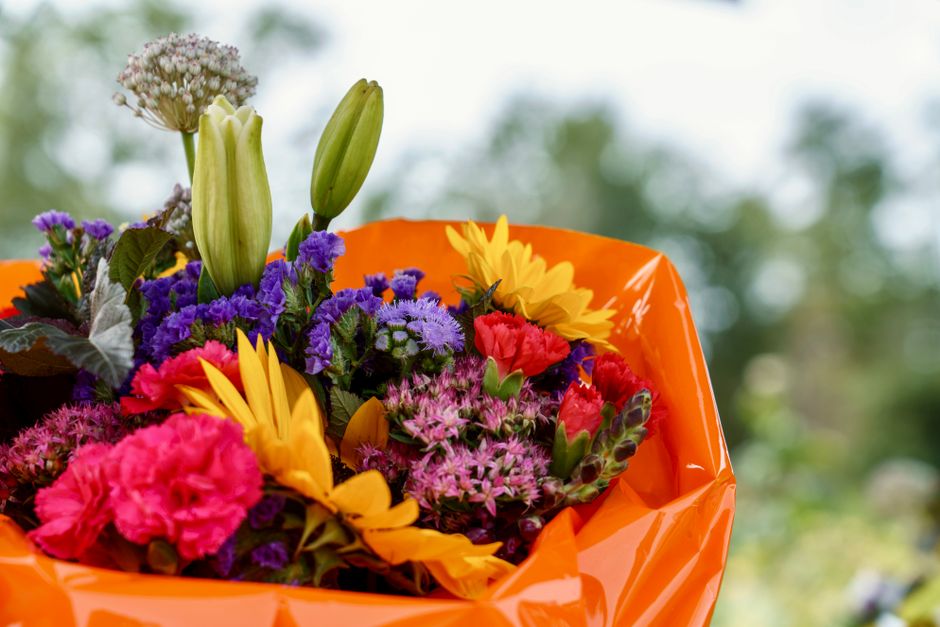
Why Disposal rules for charity flower donations in Kingston Matters
Flower donations often arrive with goodwill attached. They may have been used for a fundraiser, a church service, a memorial, a reception, or a community event. And then the event ends. At that point, the flowers are no longer just decoration; they become an item that needs an end-of-life plan. If you skip that plan, you can end up with odours, spoilage, pests, excess waste, and a very awkward bin situation the next morning.
In a busy area like Kingston upon Thames, where venues, local halls, care homes, and community groups may all be handling flowers at different times, a clear disposal process saves time and stress. It also protects the reputation of the charity. People notice whether donated items are treated respectfully. A neat, thoughtful process says: we are organised, we care, and we don't waste what can still be used.
There is also a practical sustainability angle. Fresh flowers are biodegradable, but that does not mean they should be chucked anywhere. Stems, wraps, ribbons, foam, cellophane, water tubes, and mixed packaging all need different handling. A donation that was generous on day one can turn into a muddled waste issue on day three if nobody decides who removes what.
And here's the thing: disposal rules are not only about compliance. They're about judgement. Which blooms can be rehomed? Which should be composted? Which need to go out as general waste because they've spoiled? Those small decisions really matter.
Expert summary: The safest approach is to treat charity flower donations as a reuse-first item, then separate biodegradable material from packaging, and only use general waste when flowers are no longer suitable for any other route.
How Disposal rules for charity flower donations in Kingston Works
The process is usually less complicated than people fear. In most cases, you are deciding between four possible routes: reuse, redistribution, composting, or waste disposal. The right option depends on the condition of the flowers, how they were stored, and whether any venue or charity policies apply.
Fresh flowers that still look decent may be given away, reused in a home setting, or used for a separate charitable purpose if the recipient is happy with them. This is common after weddings, memorial services, and community events. If the flowers are already tired but still clean and free from contamination, composting may be the most sensible option. Once blooms are mouldy, slimy, or contaminated with food residue, they should usually go into general waste rather than risk the compost stream.
Packaging is where people often get caught out. A mixed bouquet might include ribbon, tape, plastic sleeves, wire, decorative picks, foam, and a water source. You should not assume everything can be composted together. Separate the organic material first. It sounds basic, but in the real world that one step saves a lot of mess.
For larger donation runs, the charity or organiser should assign responsibility before the flowers arrive. Otherwise, the end-of-event clean-down becomes one of those slightly chaotic five-minute jobs that turns into forty. We've all seen that moment: one person carrying armfuls of half-drooping lilies while someone else asks whether the vases are returnable. Not ideal.
If you are coordinating delivery and collection, it helps to have a delivery plan and a clear point of contact. That is where a practical page like delivery information can support the wider process, especially when flowers need to arrive or be collected on time.
Key Benefits and Practical Advantages
Good disposal planning gives you more than a tidy room. It reduces pressure on volunteers, protects the flowers that can still be used, and helps the charity avoid avoidable waste costs or complaints. Sounds obvious, but in busy settings, obvious things get overlooked.
- Less waste: More flowers are reused, donated, or composted instead of being thrown away too early.
- Cleaner handover: Staff and volunteers know exactly what to do with stems, water, wrap, and containers.
- Better presentation: Donation areas and venues stay neater, which matters for donors and guests.
- Lower contamination risk: Mixed waste is separated properly, so compostable material stays usable.
- Stronger sustainability story: Charities can show they handle donated flowers responsibly.
There's also a human side to this. Flowers are emotional objects. They often carry messages, remembrance, thanks, or celebration. Disposal done badly can feel careless. Disposal done well feels respectful. That difference is felt, even if nobody says it out loud.
For charities that work with floral gifting or event flowers regularly, it may also be worth looking at broader sustainability practices. A page such as sustainability can sit alongside donation policy discussions and help frame a more responsible approach.
Who This Is For and When It Makes Sense
This topic is relevant to a fairly wide group. If you are involved in any part of the flower lifecycle - donation, display, collection, storage, cleanup, or redistribution - the rules matter to you. In Kingston, that usually includes local charities, churches, hospices, community centres, wedding venues, event planners, florists, and private donors.
You may need a disposal plan if you are:
- handling flower donations after a fundraising event
- cleaning down a church or hall after a service
- coordinating leftover wedding flowers
- managing tribute flowers after a memorial or funeral gathering
- receiving flowers from a corporate event or community celebration
- sorting mixed donations that include vases, wraps, and floral foam
It also makes sense when the flowers are not all in the same condition. Maybe some bouquets are still sturdy while others are fading fast. Maybe a few arrangements can be split into smaller posies for residents, patients, or volunteers, while the rest need composting. That kind of mixed outcome is very common. Truth be told, most flower donation piles are not perfectly uniform, so a flexible process is more realistic than a rigid one.
If the flowers are part of a broader occasion - say a wedding with a same-day handover or a memorial with a next-day clear-out - then timing becomes everything. For those situations, it can help to align with a local florist workflow such as same day flower delivery in Kingston upon Thames KT1 or next day flower delivery if replacement flowers are needed quickly after disposal.
Step-by-Step Guidance
Here is a straightforward way to handle charity flower donations in Kingston without overcomplicating it.
- Check the condition of the flowers. Look for freshness, drooping heads, mould, discolouration, damp packaging, and signs of pests or contamination.
- Separate reusable from non-reusable items. Remove ribbons, wrapping, cards, foam, and anything non-organic before you decide the final route.
- Decide whether reuse is appropriate. If the flowers are still attractive and hygienic, they may be suitable for redistribution or display.
- Identify compostable material. Clean stems, petals, leaves, and some natural greenery may be compostable, depending on local arrangements and contamination levels.
- Dispose of contaminated waste safely. Any spoiled flowers, slimy stems, or mixed waste that cannot be separated should go into the correct general waste stream.
- Handle water and containers carefully. Empty vases and buckets before moving them, and check whether they are returnable or recyclable.
- Record what happened. For larger events, note what was reused, composted, or discarded. It helps with future planning, and yes, it saves a bit of head-scratching later.
A useful rule of thumb: if you would not comfortably place the item with other clean organic material, do not force it into compost. Better to be cautious than to contaminate the whole batch.
If flowers are being gathered for a special arrangement before being passed on again, a local florist page like florist services in Kingston upon Thames KT1 can be helpful context for sourcing, handling, or reworking arrangements rather than simply disposing of them.
A quick practical example
Imagine a charity luncheon at a Kingston venue. Ten table arrangements remain at the end of the afternoon. Four are still fresh enough to be given to residents at a nearby care home. Three are slightly wilted but clean, so they are separated for composting. The remaining three have mixed foil, damp floral foam, and food spill residue near the base, so they go to general waste. That is a sensible, proportionate outcome. Not glamorous, but sensible.
Expert Tips for Better Results
In our experience, the best flower disposal systems are the ones that are boring in the right way. Simple labels, a couple of bins, a clear handover, and one named person checking the final load. You do not need a grand system. You need a predictable one.
- Set up separation points early. Don't wait until the flowers are already fading on a windowsill.
- Use a "reuse first" mindset. Ask whether the flowers can be passed on before any disposal decision is made.
- Keep dry and wet waste apart. Wet stems and soggy wraps make sorting much harder.
- Remove non-organic extras immediately. Wire, tape, and plastic sleeves are easiest to remove while the arrangement is still intact.
- Plan for transport. If flowers are being moved to another site, use buckets or secure boxes so the arrangements do not collapse en route.
- Don't forget scent and condition. If the room smells musty or the petals are dropping heavily, act sooner rather than later.
One small but useful habit: create a "decision table" before the event starts. Reuse, compost, waste, return. That's it. A four-option setup sounds almost too basic, but it works. And when volunteers are tired after a long day, basic is beautiful.
If you are also managing tribute flowers, sympathy arrangements, or event bouquets, a broader product page such as sympathy flowers or funeral flowers can help you think through the type of arrangement you are dealing with before choosing the right disposal route.

Common Mistakes to Avoid
Most disposal problems are not dramatic. They are little oversights that snowball. The good news is that they're easy to avoid once you know what to look for.
- Throwing everything into one bin. This is the quickest way to lose reusable flowers and contaminate compostable material.
- Leaving flowers too long before sorting. By the next day, stems may already be soft, and the task becomes less pleasant. Let's just say the smell tells the story.
- Ignoring packaging. Cellophane, foam, tape, and ribbon should not be treated the same as petals and stems.
- Assuming all donations are suitable for onward giving. Hygiene and condition matter. Be picky in a calm, practical way.
- Forgetting venue rules. Some sites have their own waste procedures, and you should respect them.
- Not assigning ownership. If nobody is responsible, the job somehow becomes everyone's and nobody's at once.
Another mistake is being too sentimental about unusable flowers. That sounds harsh, maybe, but spoiled flowers are spoiled flowers. If they are beyond reuse, dispose of them properly and move on. The dignity comes from how you handle the process, not from pretending every stem can be saved.
Tools, Resources and Recommendations
You do not need specialist equipment to manage flower donations well, but a few simple tools make the process much smoother.
| Tool or resource | Why it helps | Best use |
|---|---|---|
| Clearly labelled bins | Separates reusable, compostable, and general waste items | Event exits, prep rooms, and collection points |
| Buckets or crates | Keeps arrangements upright during collection | Transfers between venue and charity site |
| Gloves and cleaning cloths | Helps with damp stems and sticky residue | Post-event sort and wrap removal |
| Reusable containers | Reduces waste from one-use transport packaging | Regular donation handovers |
| Simple handover checklist | Prevents missed items and confusion | Every collection or drop-off |
For charities and organisers that often work with flowers, it can also help to have a relationship with a local florist or supplier who understands event timing. If flowers need to be replaced, rearranged, or sent quickly after disposal, pages like flower delivery in Kingston upon Thames KT1 and send flowers in Kingston upon Thames can support the wider planning process.
And if you are sorting mixed bouquets for future use, the flower care guidance is worth keeping nearby. Good care extends useful life, which in turn reduces disposal pressure. Simple, but effective.
Law, Compliance, Standards, or Best Practice
There is no single public-facing rulebook that covers every charity flower donation scenario in Kingston. In practice, you are usually balancing general waste duties, venue policies, charity governance, food-safety-adjacent hygiene thinking, and common-sense handling. That means your best approach is to follow local arrangements where they exist and use conservative judgement where they do not.
Here are the main principles to keep in mind:
- Do not contaminate recycling or compost streams. Mixed materials can make a whole batch unusable.
- Keep hygiene in view. Flowers that are mouldy, slimy, or heavily soiled should not be passed on.
- Respect venue and charity policies. Some sites require waste to be bagged or removed at specific times.
- Consider duty of care. If volunteers are handling large volumes, they should have basic instructions and sensible equipment.
- Document the process where needed. A brief note of what happened can be useful for trustees, organisers, or repeat events.
If your charity has a sustainability policy, donation procedure, or premises policy, it should cover flowers in the same way it covers other donated goods. Not every detail needs a formal document, but the process should be clear enough that a new volunteer can follow it without guessing.
For organisations that also work with corporate gifting or seasonal events, the broader operational picture may be worth reviewing alongside the policy. A page like corporate accounts may be relevant if flowers are regularly managed through business or charity partnerships, though it is always worth checking the exact fit for your situation.
Options, Methods, or Comparison Table
Choosing the right route is much easier if you compare the options side by side. The table below gives a practical overview.
| Method | Best for | Advantages | Watch-outs |
|---|---|---|---|
| Reuse / redistribution | Fresh, clean arrangements | Reduces waste, keeps flowers in use longer | Needs safe handling and suitable recipients |
| Composting | Clean organic flower material | Environmentally sensible, simple if uncontaminated | Packaging must be removed first |
| General waste | Spoiled, contaminated, or mixed waste | Reliable fallback when other routes are unsuitable | Less sustainable; should be the last option |
| Return to florist or organiser | Pre-arranged event flowers and containers | May reduce disposal workload and confusion | Needs a prior agreement, otherwise it becomes guesswork |
If you are handling a special occasion rather than a charity donation, some of the same thinking still applies. For example, a wedding arrangement might move from display to redistribution, while a memorial arrangement might need a different level of respect and handling. The product ranges for wedding flowers and funeral flowers show just how different those contexts can be, even when the plants themselves are similar.
Case Study or Real-World Example
Here's a realistic Kingston scenario. A local charity hosts a spring fundraising lunch. A florist delivers table arrangements in glass vases, each with a mix of roses, lilies, greenery, and ribbon. The event finishes at 4 p.m., and by 4:30 p.m. the team is deciding what to do next.
The organisers first separate the arrangements into three groups. The best-looking flowers are set aside for volunteers and a nearby sheltered housing scheme that has agreed to receive them. The middle group, which is still clean but less robust, is stripped of ribbon and plastic wrap and sent for composting through the venue's green waste route. The final group has spent a warm afternoon in a crowded room, with some petals crushed and a little food splash on the lower stems, so it goes into general waste.
What made this work was not luck. It was timing and a calm process. A volunteer checked the arrangements before everyone got tired. The venue provided enough buckets. And someone had already confirmed whether vases were returnable. Small thing, huge difference.
That same event team later revised its procedure so that the next donation handover would happen earlier in the day. Smart move. Fresh flowers behave much better at 10 a.m. than at the end of a long afternoon. Funny how that always seems to be the case.
Practical Checklist
Use this checklist when you are dealing with charity flower donations in Kingston.
- Confirm who is responsible for the flowers once the event ends.
- Check whether flowers can be reused or redistributed first.
- Separate organic material from packaging, tape, and foam.
- Inspect for mould, spoilage, pests, or contamination.
- Keep reusable arrangements upright and watered until handover.
- Use labelled bins or bags for compostable and general waste items.
- Empty water from vases and containers before moving them.
- Record any returnable items, especially borrowed containers.
- Follow venue, charity, and waste collection rules.
- Dispose of anything contaminated in the appropriate waste stream.
If you can tick all ten, you are already doing better than many event clean-downs. No drama, no wasted effort.
Get a free quote today and see how much you can save.
Conclusion
The disposal rules for charity flower donations in Kingston are really about doing the thoughtful thing in the sensible order: reuse where possible, separate materials properly, and dispose of what is no longer fit for use without creating extra waste or confusion. That approach respects the donation, protects the people handling it, and keeps the process cleaner for everyone involved.
Whether you are a charity coordinator, a volunteer, a venue manager, or someone passing on flowers after a local event, a simple system will save you time and reduce stress. Keep it practical, keep it hygienic, and keep it respectful. That's the heart of it, really.
And if you are putting a process in place for the first time, do not overthink it. Start small, make it clear, and improve it next time. That's how good local systems are built.
Frequently Asked Questions
What are the disposal rules for charity flower donations in Kingston?
They usually mean using a reuse-first approach, separating organic flower material from packaging, and sending spoiled or contaminated flowers to the correct waste stream. Local venue and charity policies also matter.
Can charity flower donations be reused after an event?
Yes, if they are still fresh, clean, and suitable for safe handling. Many arrangements can be redistributed, especially if they have been kept cool and protected from damage.
Are flower stems and petals compostable?
Often yes, provided they are clean and free from contamination. However, items mixed with plastic, tape, foam, or food waste should be separated first and checked against local waste rules.
What should I do with floral foam or plastic wrap?
Those items are usually not compostable and should be removed from the flowers before disposal. They may need to go into general waste unless a specific local recycling route is available.
Do charities need a formal policy for flower donations?
It is not always legally required, but it is a very good idea. A short written process helps volunteers know what to do and reduces mistakes when an event ends in a rush.
Can donated flowers go to a care home or community group?
Yes, if the flowers are in good condition and the recipient is happy to receive them. Hygiene, transport, and timing should all be checked first.
How long can charity flowers stay out before disposal?
There is no universal time limit. It depends on the type of flowers, room temperature, and how well they have been watered. If they start to wilt badly or smell musty, it is usually better to act quickly.
What if the flowers were used in a funeral or memorial service?
Treat them with extra care and follow the wishes of the family or organiser. Some arrangements may be kept, redistributed, or composted depending on the situation and any local customs.
Is it okay to throw all the flowers in the bin if I am short on time?
It is allowed only when the flowers are spoiled, contaminated, or unsuitable for other routes. But if you can separate reusable or compostable material first, that is the better option, even if it takes a few more minutes.
How can I reduce waste from future flower donations?
Set up a clear handover, store flowers properly, remove packaging early, and decide in advance who will collect or receive them. Planning even a little bit makes a big difference, honestly.
Are there special rules for mixed bouquets with packaging and water tubes?
Yes, because they are mixed-material items. The flowers themselves may be reusable or compostable, but the packaging, tubes, wires, and adhesive pieces usually need separate handling.
Where can I get help if I need flowers replaced after disposal?
If you need a quick replacement for an event or charity display, it helps to work with a local florist who understands timing and delivery. That way you can keep things moving without scrambling at the last minute.